Telecom Integrity Verification Diagnostic Layer 3287613825 3517120943 2138409980 3209596983 6562034693 3249289117

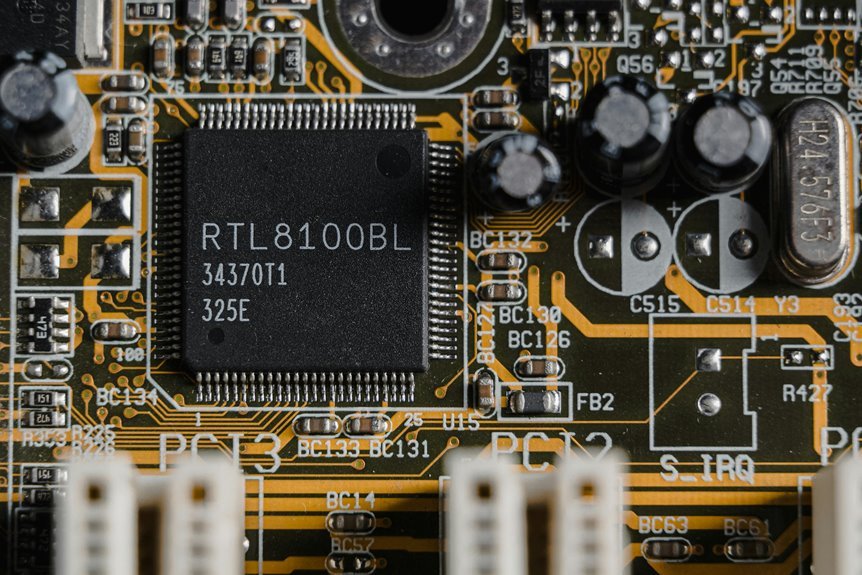
You’re probably aware that the Telecom Integrity Verification Diagnostic Layer plays a pivotal role in network reliability. It leverages real-time analytics to pinpoint inconsistencies, which enhances data accuracy. This layer not only boosts operational efficiency but also addresses growing cybersecurity threats and regulatory compliance issues. As the telecom landscape evolves, understanding its architecture and implications becomes crucial. What challenges and advancements lie ahead for this vital component?
Key Features of the Telecom Integrity Verification Diagnostic Layer
The Telecom Integrity Verification Diagnostic Layer boasts several key features that enhance network reliability and performance.
It ensures data accuracy through real-time analytics, enabling you to detect inconsistencies swiftly.
Additionally, its robust architecture promotes system reliability by minimizing downtime, allowing for seamless operations.
Benefits for Telecom Providers and Customers
By implementing the Telecom Integrity Verification Diagnostic Layer, telecom providers and customers alike reap significant advantages.
This layer enhances operational efficiency through streamlined processes and reduced downtime, enabling providers to deliver reliable services.
As a result, customer trust strengthens, fostering loyalty and encouraging long-term relationships.
Ultimately, both parties benefit from a more secure, efficient telecommunications environment that supports their mutual goals.
Addressing Vulnerabilities in Network Operations
While network operations grow increasingly complex, addressing vulnerabilities becomes crucial for maintaining system integrity.
You must implement robust network security protocols to identify and mitigate risks effectively. Regular audits, real-time monitoring, and employee training enhance operational resilience.
Future Impact on the Telecommunications Industry
As advancements in technology continue to reshape the telecommunications landscape, you’ll notice significant shifts in operational models and service delivery.
Future trends like 5G and AI will enhance efficiency, yet they’ll also present industry challenges, such as cybersecurity threats and regulatory compliance.
Embracing these changes will empower you to adapt and thrive in an increasingly competitive environment, ensuring long-term success and innovation.
Conclusion
As the cornerstone of a resilient telecommunications network, the Telecom Integrity Verification Diagnostic Layer acts like a vigilant guardian, standing watch against the shadows of inconsistency and threats. By harnessing real-time analytics, it not only fortifies the walls of operational efficiency but also cultivates a flourishing trust garden among users. As the industry navigates the turbulent waters of change, this layer ensures that the ship of communication sails smoothly towards a secure and prosperous future.